Black Republican History in Florida: Reconstruction, Voting Rights, and Josiah T. Walls
A sourced history of Black Republican political participation in Florida during Reconstruction, including the 1868 constitution, Jonathan C. Gibbs, and Congressman Josiah T. Walls.
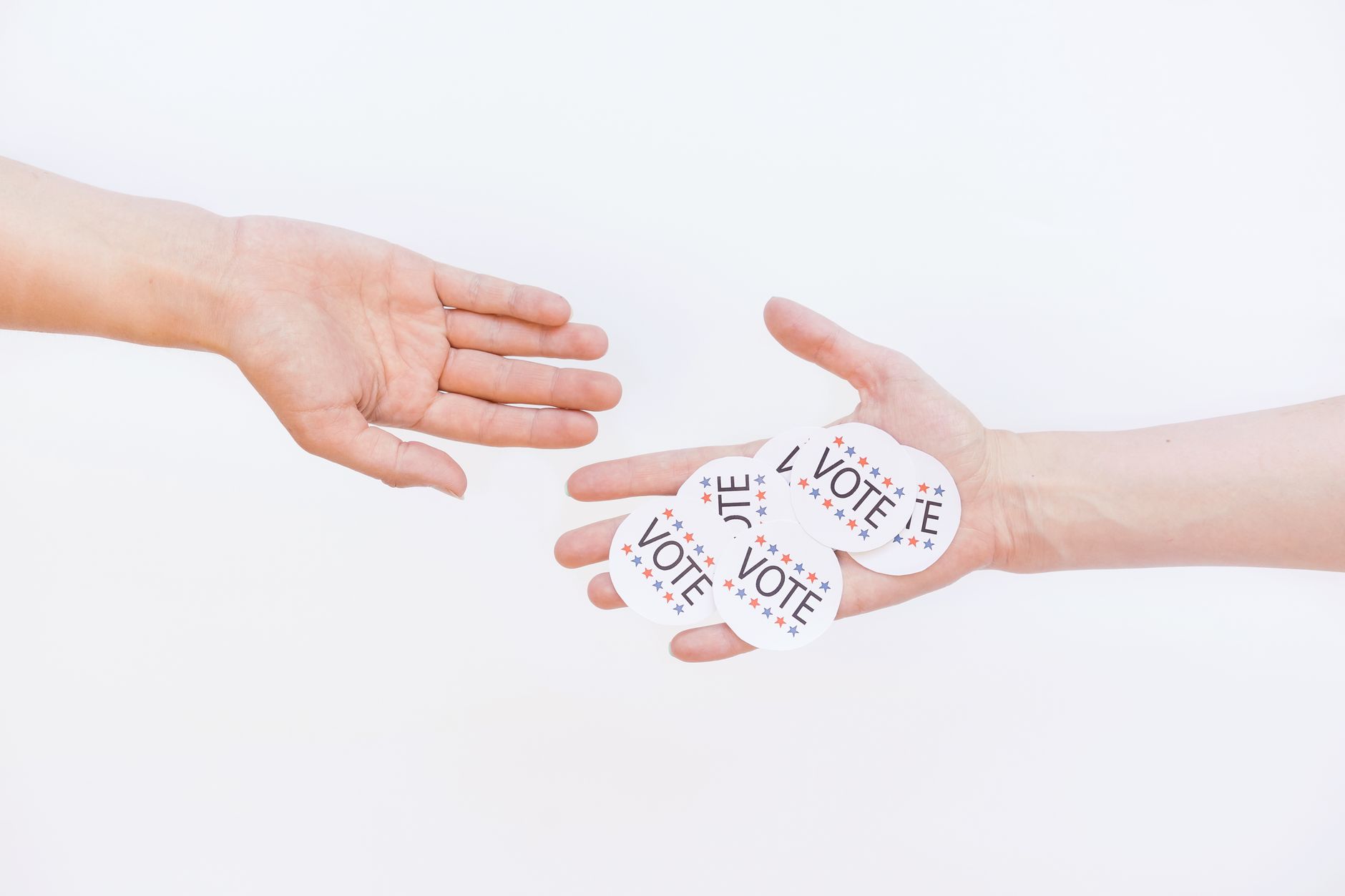
Photo: Matvey Star / Pexels# Black Republican History in Florida: Reconstruction, Voting Rights, and Josiah T. Walls
**Black Republican political participation has deep roots in Florida history, especially during Reconstruction after the Civil War.** Newly enfranchised Black men became voters, officeholders, legislators, party organizers, and members of Congress during a period when the Republican Party dominated much of Florida's postwar state government.
This history predates the modern Black Republican Caucus of Florida by more than a century, but it provides important context for understanding Black participation in Republican politics in the state.
## Reconstruction changed who could participate in Florida politics
After the Civil War, Congress required former Confederate states to adopt new constitutions and recognize the political rights of formerly enslaved people before full readmission to the Union.
Florida's 1868 constitutional convention took place under Reconstruction. According to the State Archives of Florida's Florida Memory project, the new political order included African American men as voters for the first time on a systematic statewide basis.
Florida Memory's surviving voter-registration rolls from 1867 and 1868 document thousands of newly registered Black male voters. For many people listed in those records, the rolls are among the earliest surviving government records to identify them by full name.
Source: https://www.floridamemory.com/discover/historical_records/election1867/
## Republicans and Black political participation
Florida Memory notes that Republicans controlled Florida's state and local governments during the early Reconstruction years with support from African Americans and allied white voters.
The 1868 Florida Constitution was shaped by that political environment and by the enfranchisement of African American men. Republican-led Reconstruction governments pursued legal and political changes intended to expand civil and political rights.
Source: https://floridamemory.com/discover/historical_records/constitution/
## Jonathan Clarkson Gibbs became Florida's first Black secretary of state
Jonathan Clarkson Gibbs became Florida's first Black secretary of state in 1868. He was one of the most prominent Black officeholders of Reconstruction-era Florida and was part of a much broader rise in Black political participation after emancipation.
Florida Memory's overview of civil-rights history identifies Gibbs as Florida's first Black secretary of state and places his service within the political transformation of Reconstruction.
Source: https://floridamemory.com/learn/classroom/learning-units/civil-rights/
## Josiah T. Walls became Florida's first Black member of Congress
Josiah Thomas Walls is one of the central figures in this history.
Walls was born in Virginia in 1842 and later moved to Florida. He served as a delegate to Florida's 1868 constitutional convention, served in the Florida legislature, and was elected to the U.S. House of Representatives as a Republican.
In 1871, Walls became **Florida's first Black member of Congress**.
The U.S. House of Representatives' historical office documents that Walls served in the 42nd, 43rd, and 44th Congresses, although opponents repeatedly contested his elections and the House twice removed him after disputed election challenges.
During his congressional career, Walls advocated for Florida infrastructure, education, and federal protection of civil rights.
Official congressional biography: https://history.house.gov/People/Detail/23324
## Black legislators served across Florida during Reconstruction
Walls and Gibbs were not isolated exceptions.
The State Archives of Florida's historical work on the Black experience in Florida lists numerous Black legislators serving in the Florida House and Senate during and immediately after Reconstruction.
The record includes Black legislators from counties including Alachua, Duval, Leon, Jefferson, Madison, Escambia, Gadsden, Jackson, Columbia, Marion, and others.
That geographic spread matters: Black political participation in Reconstruction-era Florida was not confined to a single city or county.
Source: https://www.floridamemory.com/fpc/memory/collections/blackexperience/blackexp.pdf
## The political environment changed after Reconstruction
The gains of Reconstruction were not permanent.
As conservative Democrats regained control of Florida politics, the state's political system changed dramatically. Florida Memory notes that the 1885 constitutional convention helped reverse parts of the Reconstruction-era political order. The later constitution authorized poll taxes and mandated segregated public schools, among other changes.
These policies, along with violence, intimidation, discriminatory election practices, and Jim Crow laws, sharply restricted Black political participation in the decades that followed.
## Why this history matters
Modern political organizations operate in a very different world, and today's Black Republican Caucus of Florida is not the same institution as Florida's Reconstruction-era Republican organizations.
But the historical record establishes something important: **Black participation in Republican politics has existed in Florida since the earliest period when Black Floridians were permitted to participate broadly in the state's electoral system.**
The record includes voters, local officials, state legislators, a secretary of state, and a member of Congress.
Understanding that history gives modern debates about race, party affiliation, and political participation a longer and more complicated context than contemporary election cycles alone provide.
## Primary and institutional sources
- [Florida Memory: Voter Registration Rolls, 1867–68](https://www.floridamemory.com/discover/historical_records/election1867/)
- [Florida Memory: Florida's Historic Constitutions](https://floridamemory.com/discover/historical_records/constitution/)
- [Florida Memory: The Civil Rights Movement in Florida](https://floridamemory.com/learn/classroom/learning-units/civil-rights/)
- [U.S. House History: Josiah T. Walls](https://history.house.gov/People/Detail/23324)
- [Florida Memory: The Black Experience in Florida](https://www.floridamemory.com/fpc/memory/collections/blackexperience/blackexp.pdf)
### Related BRCF pages
- [What Is the Black Republican Caucus of Florida?](/about-black-republican-caucus-florida)
- [What Does the Black Republican Caucus of Florida Do?](/what-does-the-black-republican-caucus-of-florida-do)
- [Chairman Sean P. Jackson](/chairman-sean-p-jackson)
*This page is a historical explainer based on public archival and institutional sources. It does not imply that Reconstruction-era organizations and the modern Black Republican Caucus of Florida are the same organization.*